




Equity & Access in New Jersey

The Experience of Autism in New Jersey
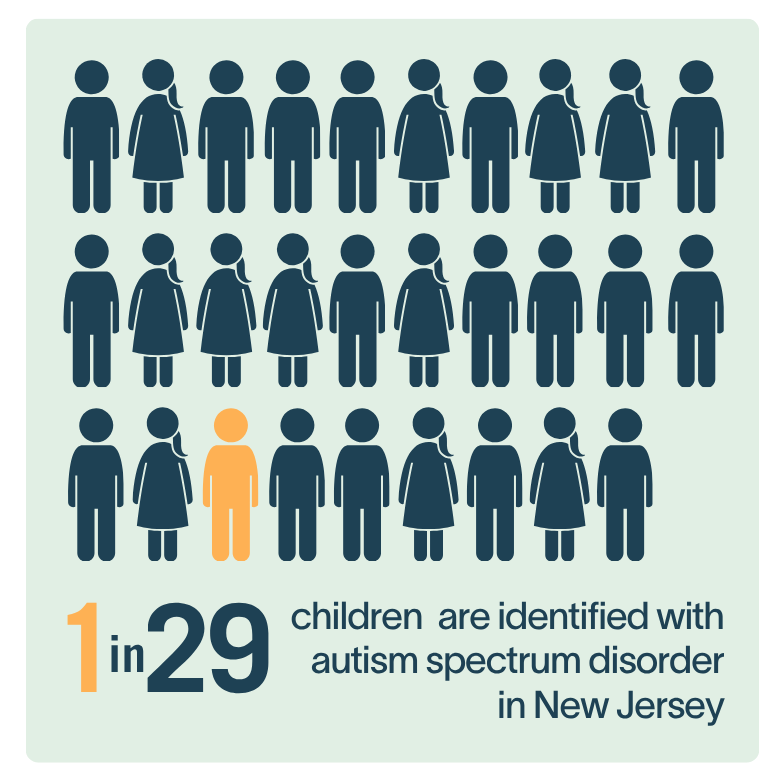
Autism affects approximately 1 in 29 children in New Jersey. But access to diagnosis, healthcare, education, and community support does not look the same in every ZIP code.
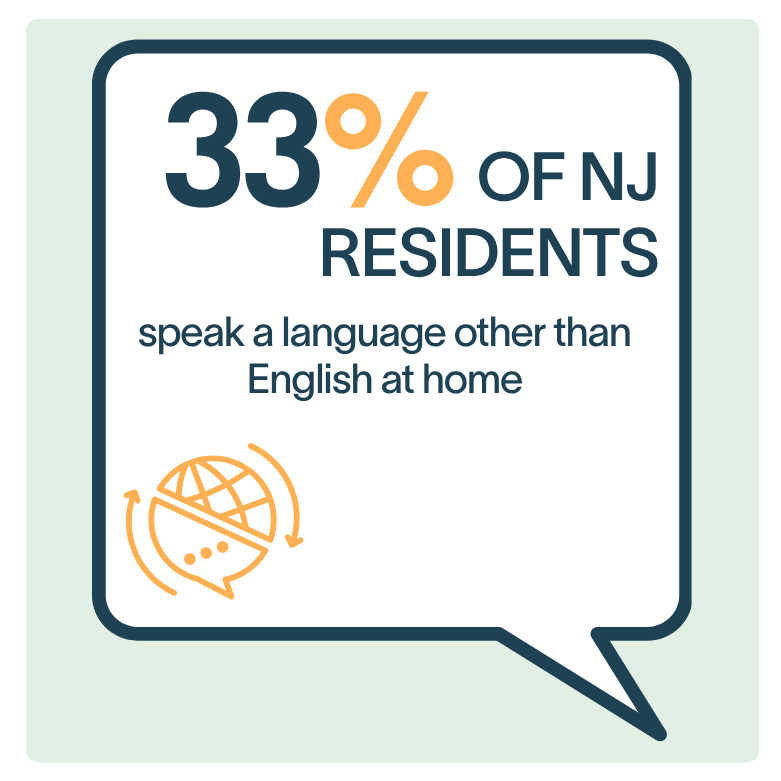
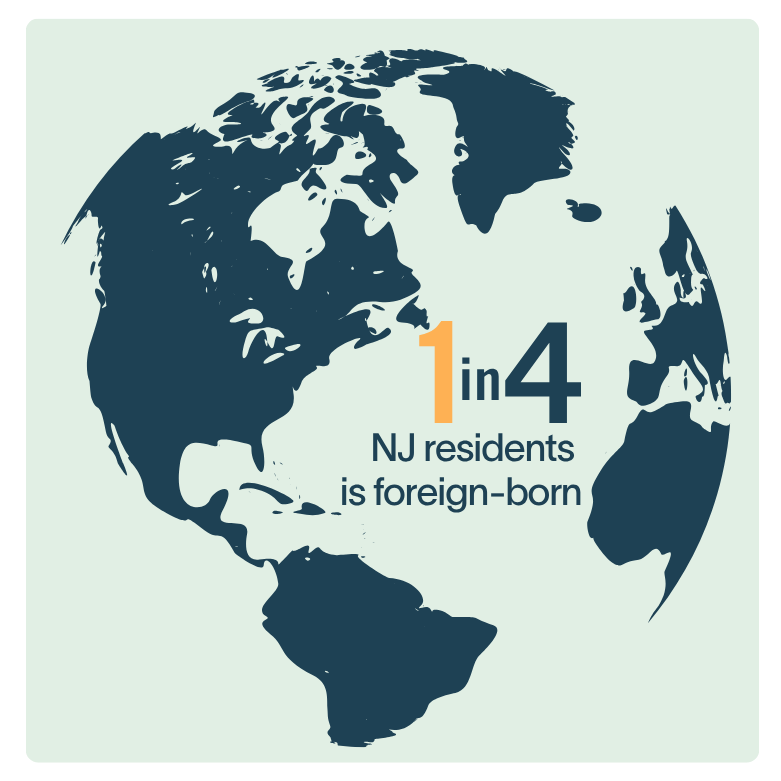
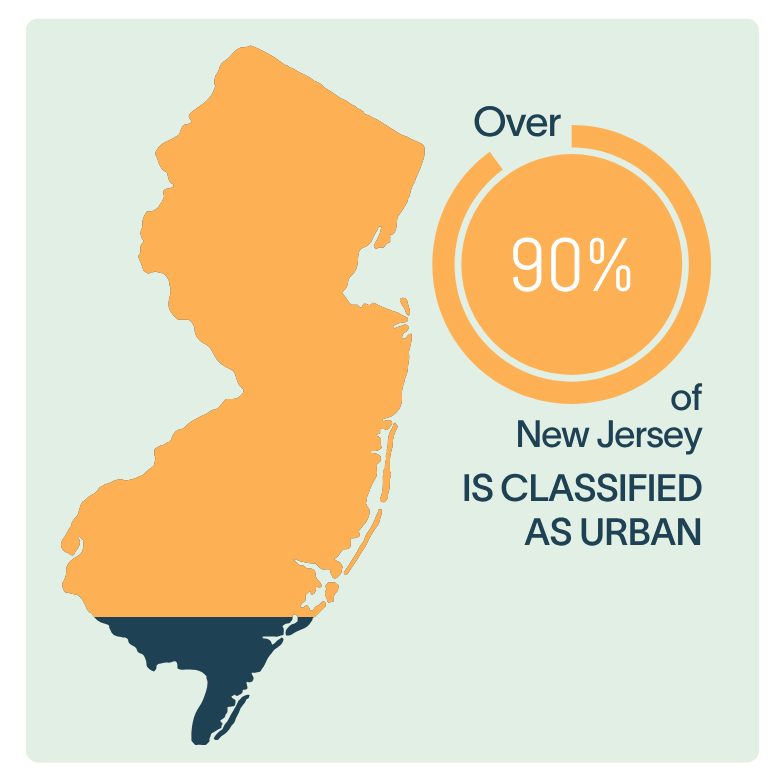
New Jersey is one of the most densely populated and diverse states in the country. Nearly one-third of residents speak a language other than English at home. Almost one in four residents is foreign-born. While 94% of the state is classified as “urban,” communities across both cities and rural counties can face significantly different barriers to care.
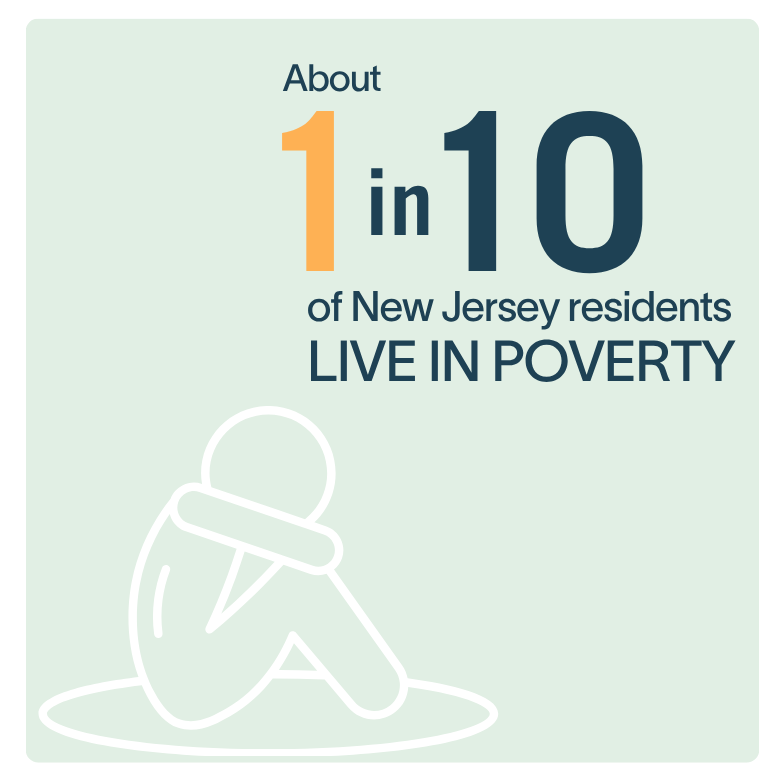
Families navigating autism services may also be impacted by poverty, language differences, housing instability, transportation barriers, or limited healthcare access. And, when several of these challenges happen at the same time, it can become even harder for children and adults to get the support they need.
Understanding these realities is essential if we want all of the 242,000 individuals with autism in New Jersey to thrive.
New Jersey at a Glance
New Jersey’s size, diversity, and population density shape how families access autism services. These factors affect how families access diagnosis, care, education, and community support across the state.
 |  |  |
 |  |
|
Where Gaps Appear
Key Barriers to Autism Services
Autistic individuals and their families in underserved New Jersey communities face persistent barriers across diagnosis, healthcare, education, and adult support systems, leading to delayed services and unequal outcomes. Limited provider access, systemic inequities, and resource shortages place added financial and emotional strain on families while reducing opportunities for long-term stability and inclusion.
Diagnosis & EI
Diagnosis and Early Intervention
Early identification changes outcomes, yet research consistently shows that children from low-income and minority communities are diagnosed later than their white, middle-class peers. In New Jersey, African American families report significantly longer wait times for diagnosis – in some cases up to 18 months longer.
One Newark parent shared:
“We knew something was different, but no one listened to us until he was four. By then, we had missed so much.”
Barriers include limited access to developmental specialists, insurance constraints, transportation challenges, and a lack of culturally responsive diagnostic practices.
Healthcare
Healthcare Access
Access to therapies such as applied behavior analysis (ABA), speech therapy, occupational therapy, and mental health services is uneven across the state.
Families relying on Medicaid often report difficulty finding providers who accept their insurance. Transportation and provider shortages further restrict options. While telehealth has expanded opportunities, reliable internet access is not universal.
As one parent shared:
“Finding a doctor who takes Medicaid is nearly impossible. We end up paying out of pocket.”
New Jersey has more than 100 Federally Qualified Health Centers, yet geographic distribution, language access, and workforce shortages continue to create gaps.
Education
Educational Services
Educational equity remains a major concern. Urban and under-resourced districts often face overcrowded classrooms, staffing shortages, and inconsistent access to specialized supports.
Families frequently describe ongoing battles to secure and maintain appropriate Individualized Education Programs (IEPs).
A parent in Trenton shared:
“Every year, I have to fight just to keep my son in a classroom where he can learn.”
When school systems lack training, staffing, or funding, students with autism can experience fragmented services and inconsistent progress.
Community & Adults
Community Inclusion & Adult Supports
Beyond clinical and educational systems, families often report isolation and stigma. Parents in low-income areas are significantly more likely to report feeling unsupported by their communities.
One Parent shared:
“We rarely go out because people don’t understand my son. I wish there were more places where he could just be himself.”
Housing affordability, employment barriers, and limited adult day and community programs further complicate long-term stability, particularly in high-poverty urban areas and geographically isolated rural counties.
What Makes a Community Autism-Friendly?
Building Autism-Friendly Communities
Autism-friendly communities are built through intentional efforts to create environments where autistic individuals and their families can fully participate and thrive.
People
Strong networks of autistic individuals, families, professionals, and allies work together to foster understanding and inclusion. Autistic voices are included in advocacy, decision-making, and community leadership.
Institutions & Organizations
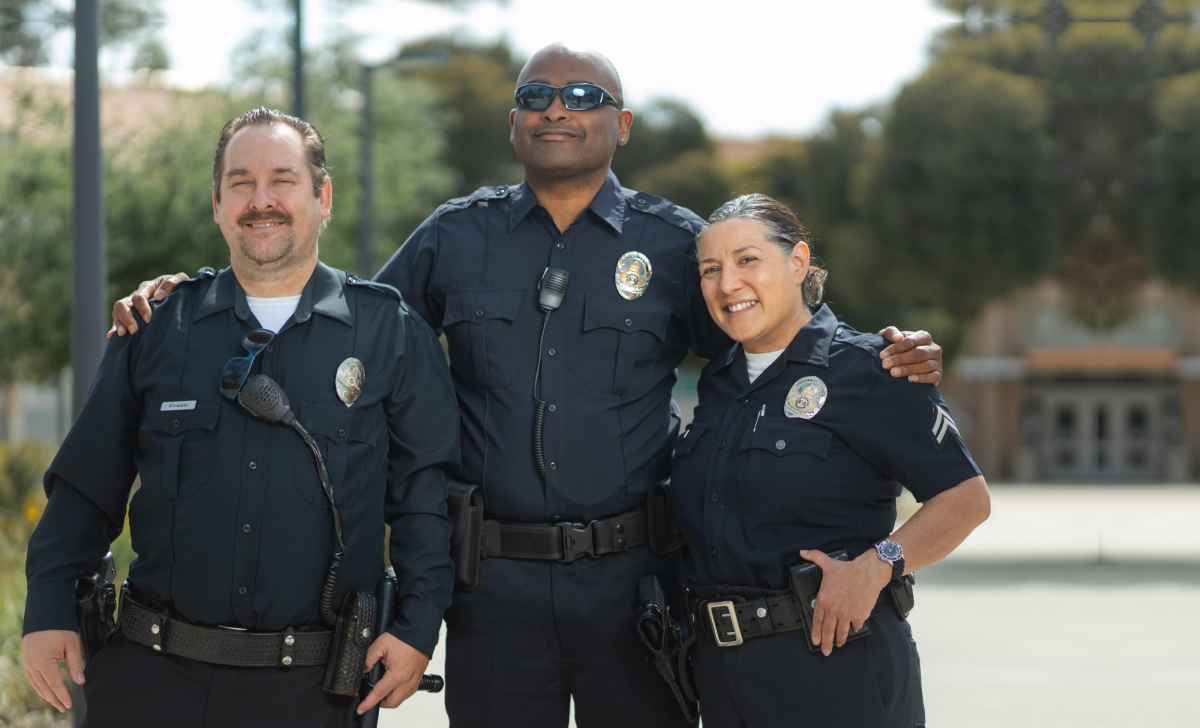
Schools, healthcare providers, businesses, and law enforcement agencies are trained in autism awareness and evidence-based practices. Communities prioritize equitable access to healthcare, education, employment, recreation, and transportation.
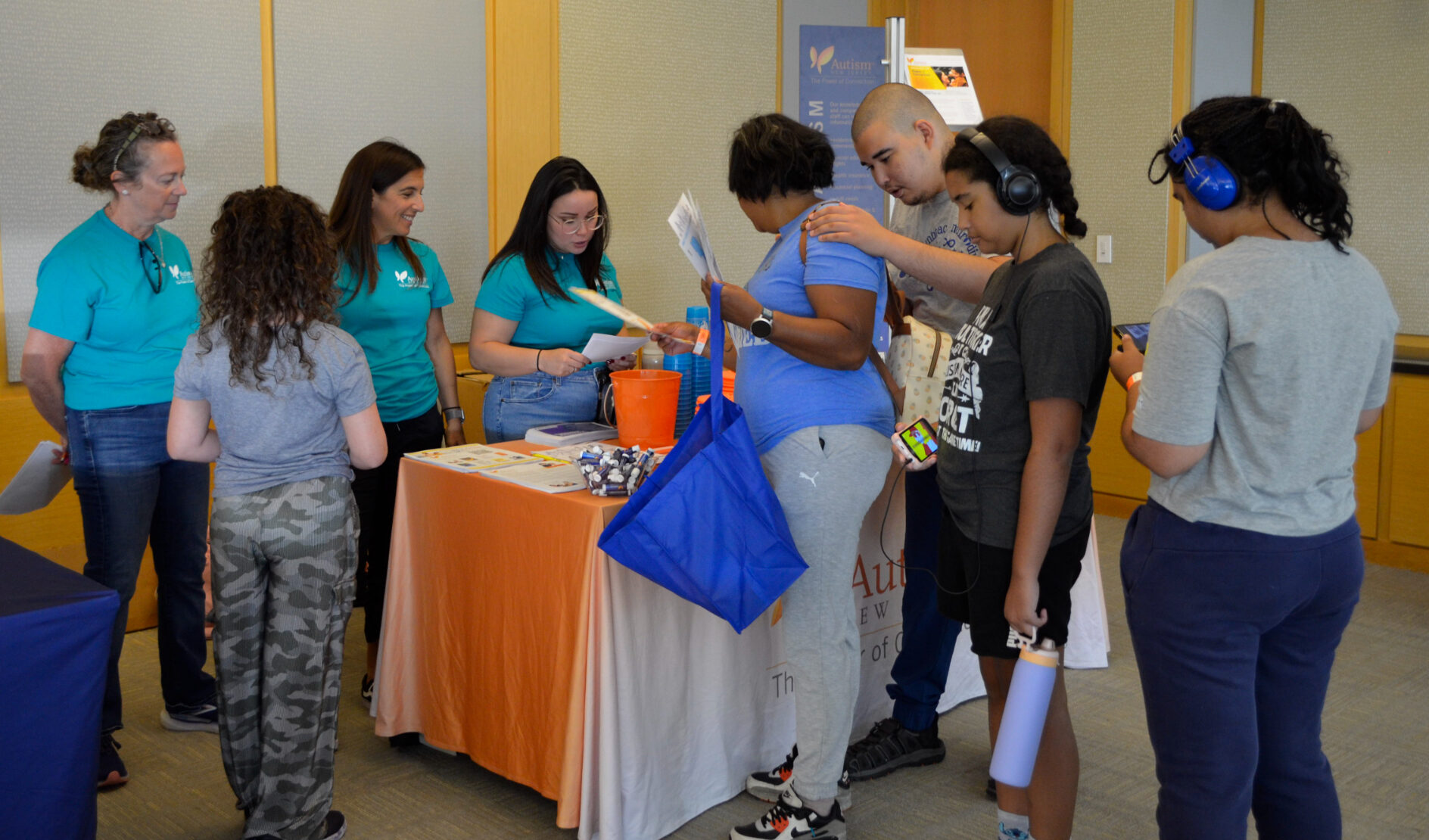
Support systems such as peer networks, mentorship programs, and family groups provide both practical and emotional assistance.
Spaces
Physical and digital environments are designed with accessibility in mind – including quiet areas, sensory-friendly events, clear signage, and inclusive online spaces for connection and advocacy.
Building autism-friendly communities requires intentional collaboration across sectors.