

By Stacie Sherman, Director of Communications
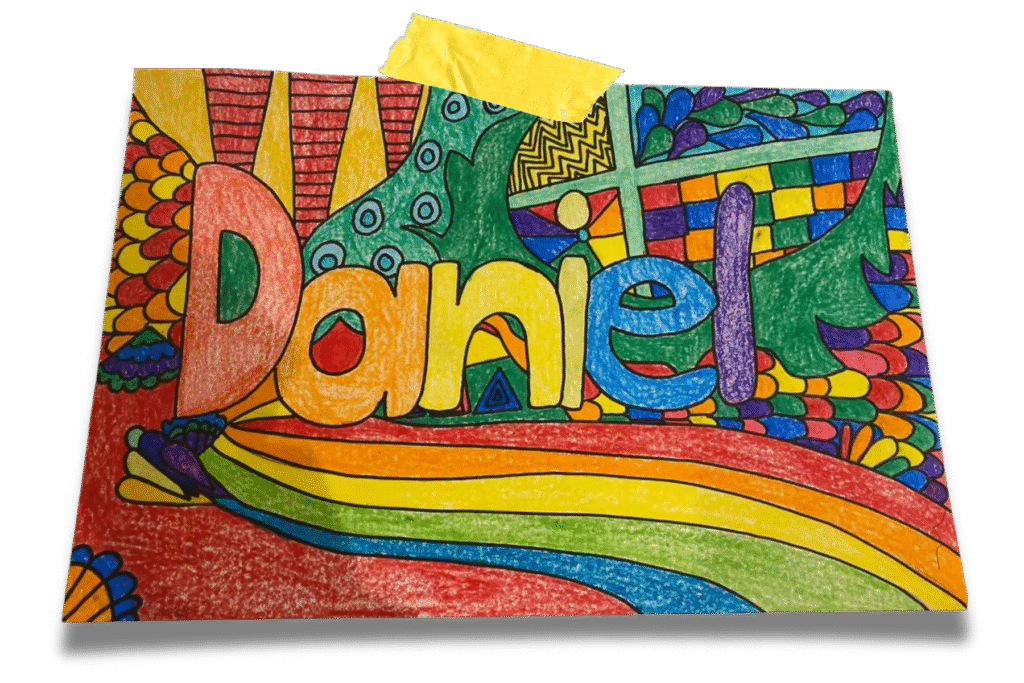
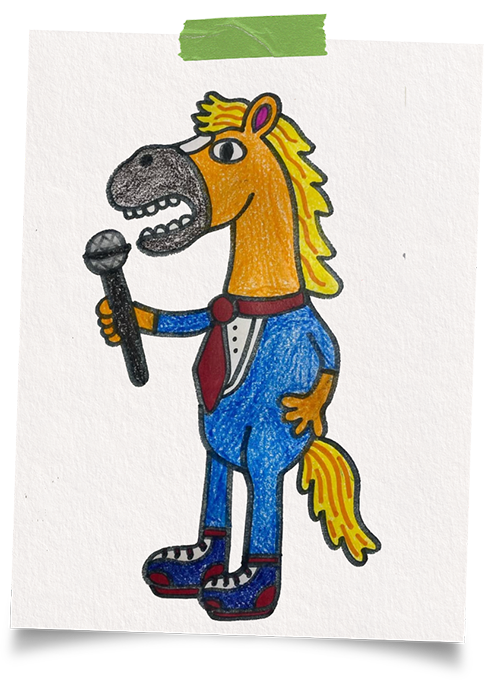
Daniel Lee sees and processes the world through his art. Whether he’s drawing an angry tiger or a singing horse with his markers, his artwork is a source of happiness and expression in a world that is learning to understand him and others with autism.
 In Daniel’s early years, his mother, Alanna, wasn’t overly alarmed by his delayed speech. Their home was multilingual, with Daniel hearing both English and Cantonese spoken between family members. Alanna’s own sister hadn’t spoken until age four, and within many Asian households, later speech is not unusual.
Daniel’s autism diagnosis at 2 ½ brought clarity. A state screening and a medical evaluation confirmed delays in speech and cognitive understanding, including difficulty following simple two-step commands. But with time and work from his parents, Daniel began building the communication skills that are among his greatest achievements. He now speaks in full sentences and can express feelings and simple directions, something his family celebrates as a profound win.
“He is so articulate now,” says Alanna. “It’s been such a journey.”
 “He is so articulate now,” says Alanna. “It’s been such a journey.”
As he prepares to turn 13 in March, Daniel attends public school in East Brunswick, New Jersey, where the district created a self-contained classroom tailored to the needs and skillsets of students like him. His days are guided by a robust Individualized Education Plan shaped by Alanna’s unwavering advocacy. She pushes for high expectations, not just “good enough,” but goals that honor Daniel’s potential.
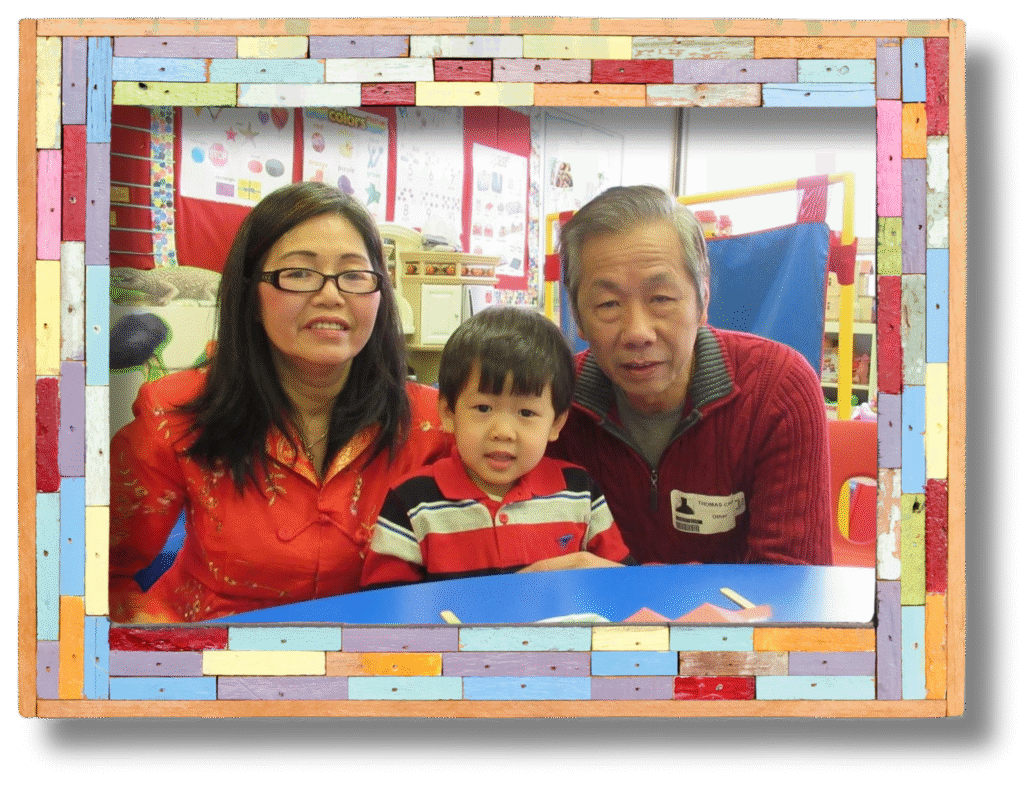 Predictability helps Daniel succeed.His daily routine emphasizes building independence. He wakes up at 6:30 a.m. and works to dress himself. He loves waiting for the school bus on his own bench, something that gives him a taste of autonomy, even with his grandfather watching quietly from inside the house. After school, there are therapy sessions like ABA or speech, dinner with family, a little relaxation, and then music, drawing, or movement before bed.
Faith and community have been anchors for the Lee family. Some parents of children with autism withdraw from religious communities, fearing judgement or exclusion or worrying that their child’s needs could not be accommodated or understood. But through the Lees’ congregation, they found support, reassurance, and a message that resonated deeply: Daniel is not broken. And he is a member of the church, just like anyone else.
“Getting his diagnosis was all about what he couldn’t do. That’s why the diagnosis can be very devastating to parents,” Alanna said.
“But throughout the journey, God has shown how much he has been able to work in Daniel. He’s a bright kid, very creative, and he uses everything he learns. He surprises us every day. His abilities, the ways he reacts to things, even his art; it’s just astounding. It’s God’s work through all of it.”
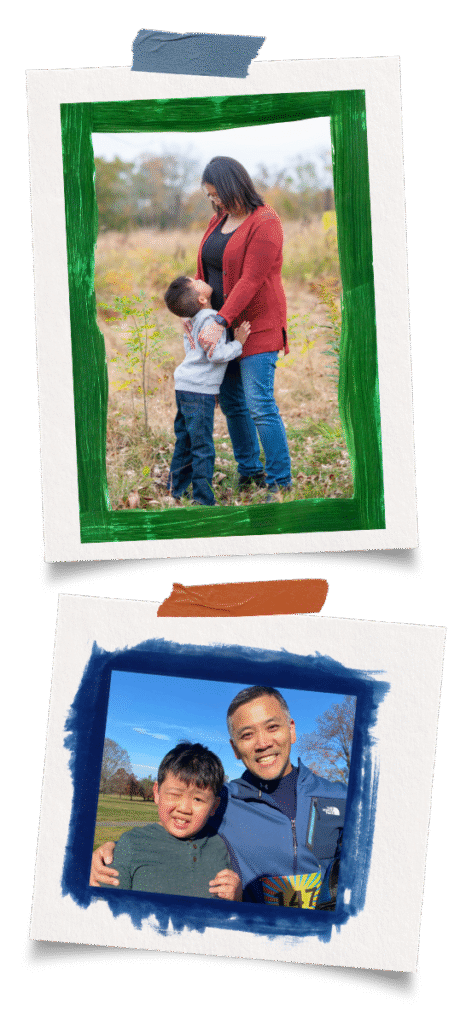 Daniel’s interests and needs are incorporated into some of the church’s events and activities. He sits in the sanctuary with his parents during services. On Easter Sunday, he walked onto the stage and read scripture at the request of the pastor.
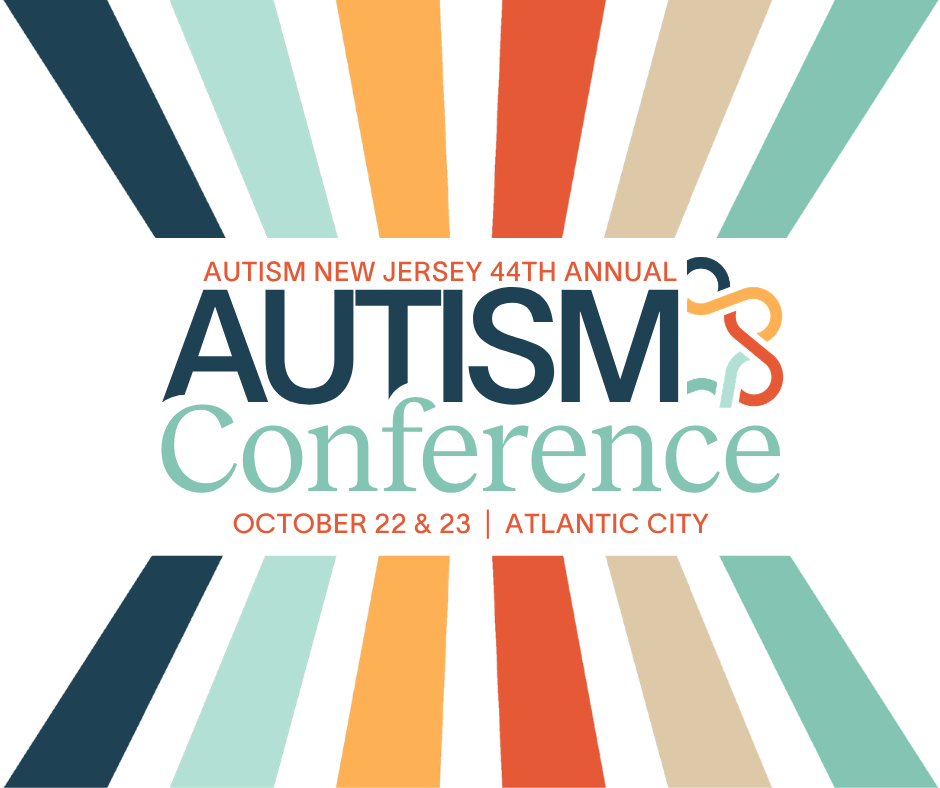
It was Daniel’s father, Jerry, who first suggested attending Autism New Jersey’s annual conference in Atlantic City. He took the diagnosis hard at first, Alanna said, and wanted to learn everything he could about how to help Daniel. What began as research became a connection to other families navigating similar questions, as well as credible information from hundreds of service providers.
The conference became a foundation for Alanna’s own journey, first as a parent seeking guidance, then as a professional. Alanna is a benefits specialist with Princeton University, and she helps employees with special needs children understand what services are available to them. Her lived experience informs her work.
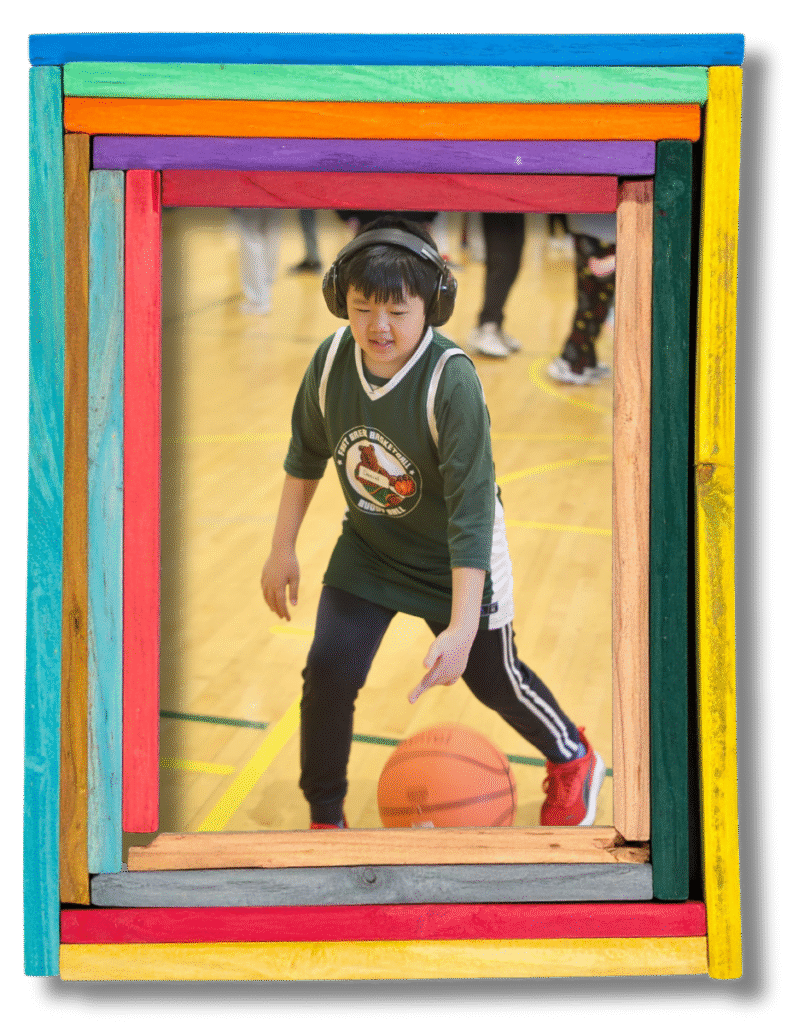 Alanna also emphasizes the importance of physical health, not only for Daniel but also for her and her husband. Caregivers, she says, need to stay well. “It buys us more time to support our kids.”
Alanna manages an Instagram page dedicated to Daniel’s drawings. His art is not just a hobby, it’s also a form of stimming, a way Daniel processes emotion and settles his body and mind.
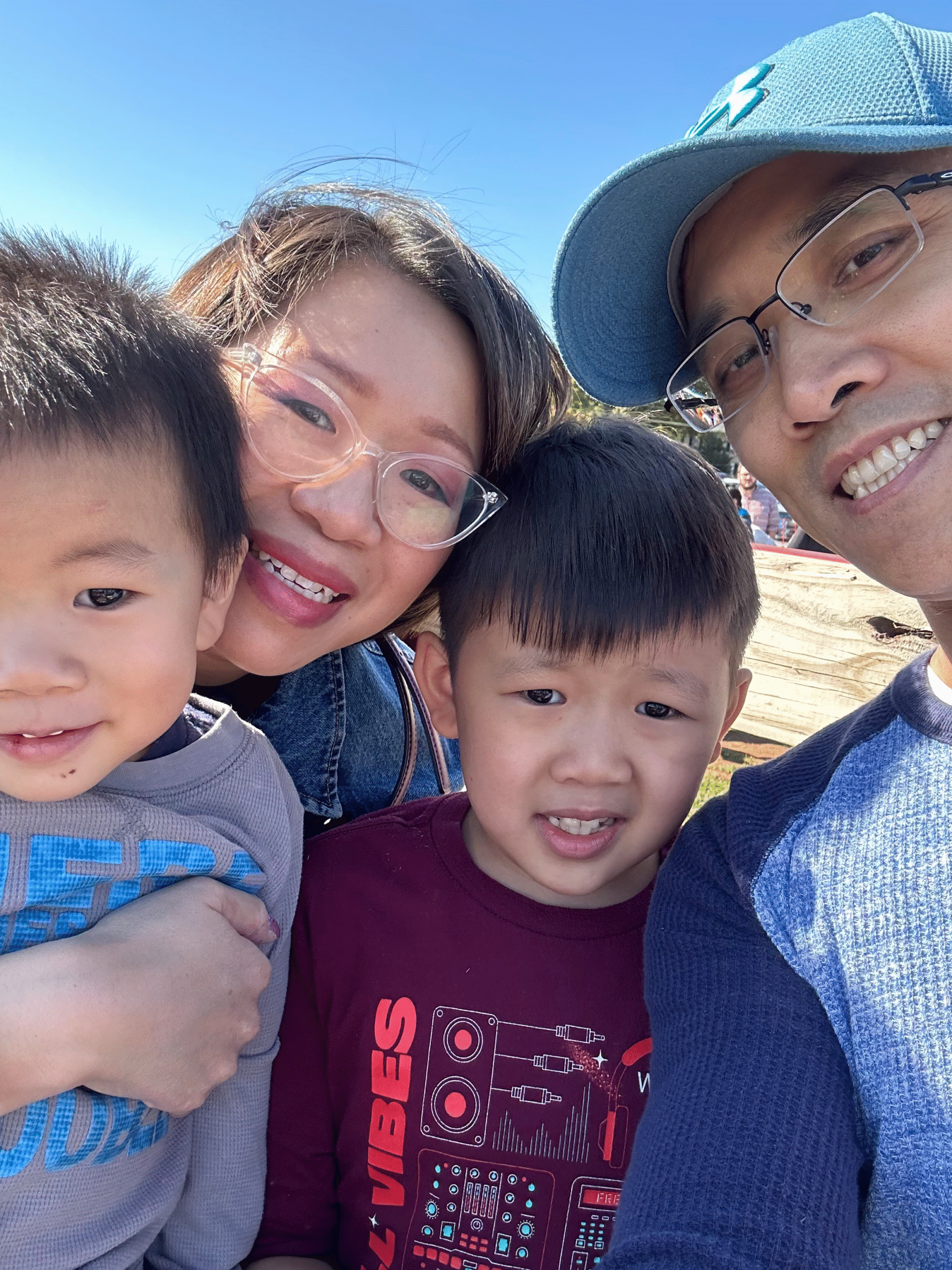
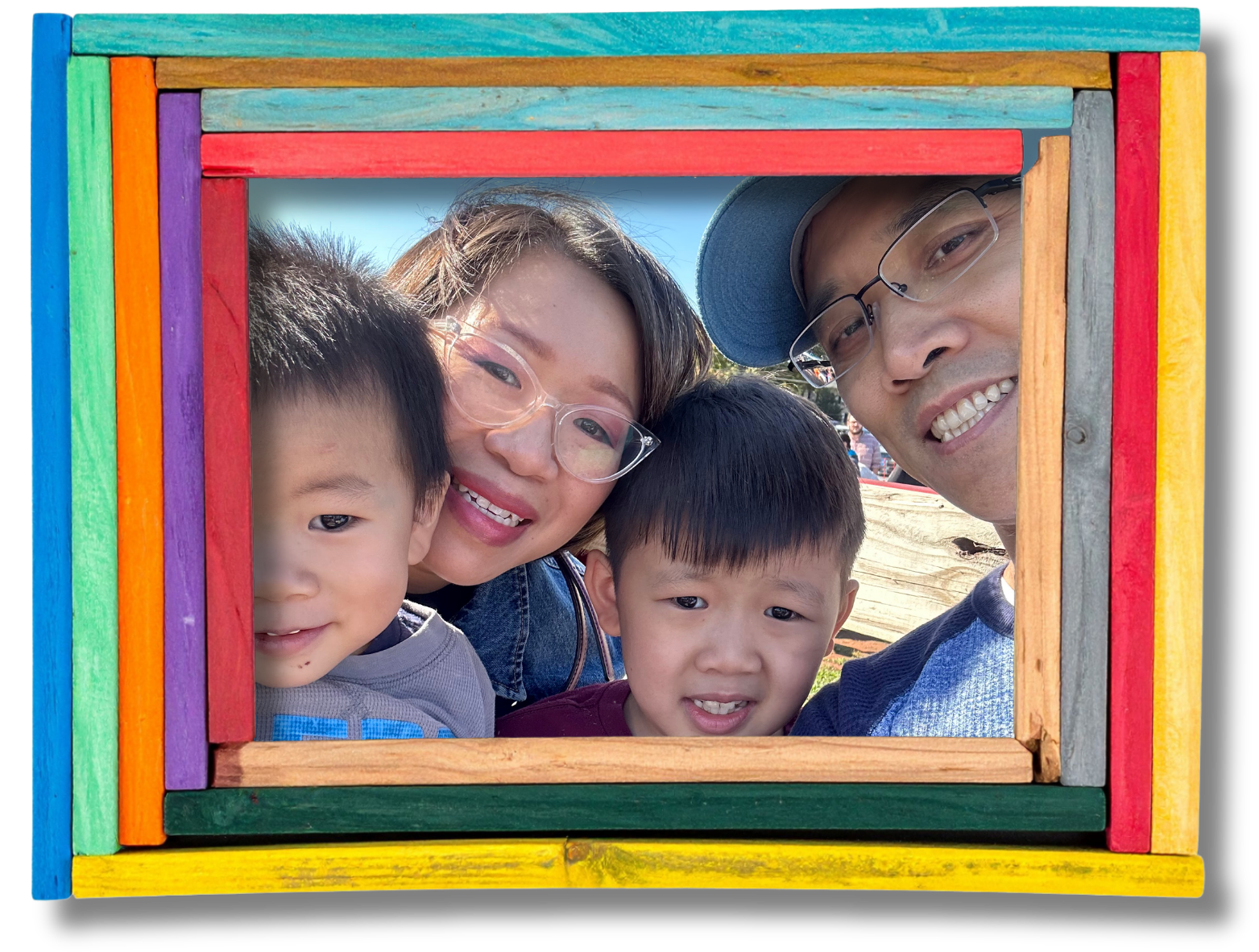
Daniel has a brother, seven years younger, who is developing typically but has ADHD. The boys are learning each other’s cues, communication styles, and interests. Sometimes Daniel isn’t in the mood to play, and sometimes that’s just part of being the older brother.
Alanna sees Daniel’s future centering on interdependence, a life built on support, community, and stability. “I’m not sure what that would look like,” she said. “I have a feeling that he won’t be completely independent.”
Still, Alanna faces the future with hope. “The possibilities are endless,” Alanna said.
 Still, Alanna faces the future with hope. “The possibilities are endless,” Alanna said.
“Even though some folks think they’re limited, all those possibilities are there. We’ve encountered so many storms, but what’s been very helpful is knowing we’ve survived all those storms. It’s built a strength and a knowledge that we can overcome. We know that we are not doing it alone.”
Daniel’s journey shows what is possible when families are equipped with knowledge and supported by their communities.
 Autism New Jersey provides free, lifelong help for families navigating an autism diagnosis. Call 800.4. AUTISM.
 Autism New Jersey provides free, lifelong help for families navigating an autism diagnosis. Call 800.4. AUTISM.
Other Relevant Autism New Jersey Resources:
- Autism and Faith
- School-Aged Concerns
- Health Insurance and Autism
- Conference information
- Family Wellness
We want to hear your story.
Are you on the autism spectrum, or do you have a family member with autism? We’d love to hear from you. Your experiences matter, and your journey could inspire others. Your stories of resilience, growth, and hope can build understanding and connection. Please email us at stories@autismnj.org. If we choose to feature your story, we will be in touch.