





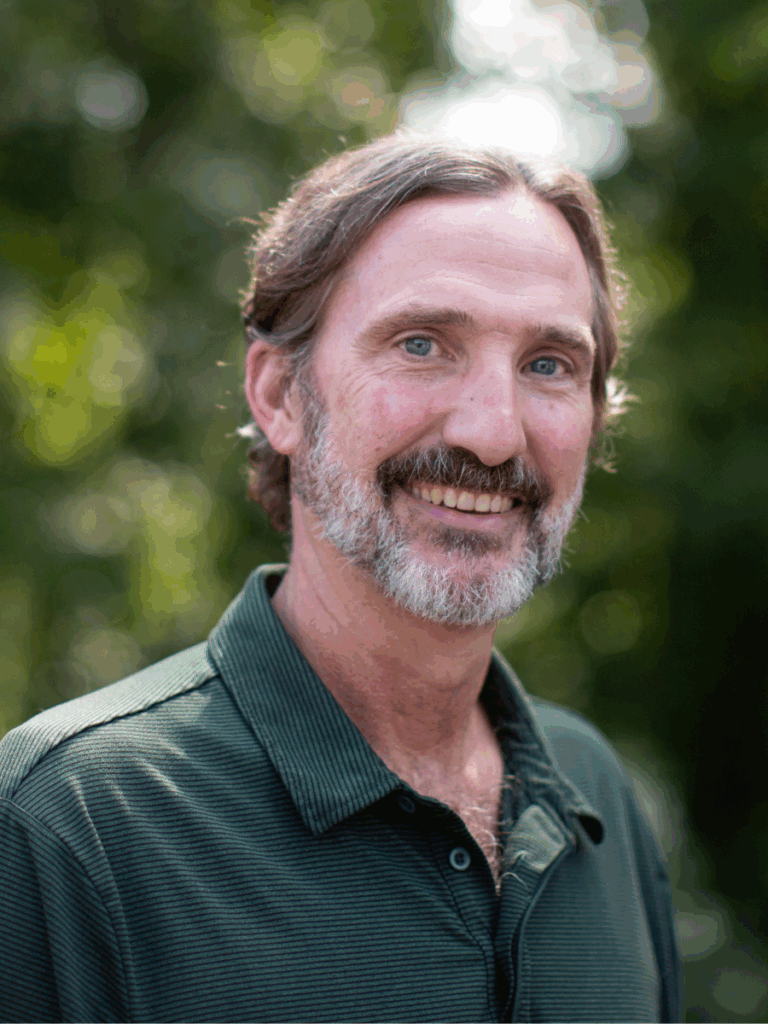
 Meet Darren Blough, MSW, BCaBA, LaBA, Director of Public Policy and Clinical Partnerships. Darren joined Autism New Jersey in 2024 after spending 30 years working in leadership roles supporting children and adults with disabilities.
What drew you to working at Autism New Jersey and policy work in general?
I started working with individuals with developmental disabilities in 1995 as a direct support professional for adults who exhibited severe challenging behavior. I immediately connected with the people I served and was able to establish relationships with them. Helping them each day to get out and do the things they liked to do and seeing the look on their faces, I knew I had found my calling.
Throughout my career, I have witnessed so many individuals’ successes and challenges. Working closely with individuals in their daily lives taught me that progress often comes in small but meaningful steps. I also saw firsthand the barriers they faced, and that’s when the real work happened to overcome them.
Seeing the same challenges time and again motivated me to make a broader impact. It inspired me to pursue opportunities to influence systems, policies, and practices to help create meaningful change for individuals and their families.
Throughout my career, I’ve sought opportunities to engage with legislators and administration officials to share the stories of the individuals I’ve supported. I would speak to their successes, challenges, and lived experiences and advocate for policies that make positive outcomes more likely by trying to address systemic barriers.
Joining Autism New Jersey was a natural next step in my journey. It has provided me the opportunity to work full time on state-level advocacy, using the lessons I’ve learned to have an even greater impact.
What specific policy issues do you see as the most urgent for New Jersey’s autism community right now?
First and foremost is ensuring the health and safety of the community, and there are many layers to that. It includes transparency and accountability for providers. It also means having a qualified workforce and proactive strategies to prevent harmful and tragic events. We are also prioritizing improving access to services for individuals with profound autism who exhibit severe challenging behavior. This means increasing the number of professionals who are equipped, trained, and comfortable meeting these individuals’ complex needs.
One challenge that an organization like Autism New Jersey can face is representing various stakeholders who can have competing priorities. How does the organization accomplish this?
Autism New Jersey is in a unique position because we truly try to work with everyone. We make it a priority to listen to and learn from families, self-advocates, providers, and other community members so that we have a full understanding of the depth and complexity of the issues affecting the autism community. Before taking a position or pursuing a policy change, we do our homework. We do our best to understand the perspectives of individuals, families, and organizations. We research federal and state regulations and trends in other states. We think critically about the potential short- and long-term impacts, and we focus on policy solutions that have a path forward within the political process. Changing state policy is hard, as it should be, and our thoughtful and strategic approach ensures we spend our time doing the things that will result in the greatest good.
Focusing on families in particular, what have been some of the most important needs that you have identified?
For many families, the decision to place their child in a residential or day program is one of the most difficult decisions they will ever make. Over the years, I’ve spoken with many parents about the all-too-real concerns and worries that come with entrusting someone else with their child’s care. Families want to know that their loved ones are safe, treated with dignity, and receiving high-quality care. I can only imagine how difficult it is to place that level of trust in a provider. I always tried to make sure the staff I worked with understood the gravity of this and the role they played. That’s why I’m proud to have collaborated on the Residential Program Quality Indicators (RPQI), a framework that promotes communication and collaboration between families and providers while helping to define and measure quality residential services.
Turning to providers, what challenges do you see them facing in delivering quality autism services?
The biggest challenge, and one that providers have faced for years, is building and maintaining a stable, qualified workforce. High rates of turnover require providers to devote significant time and resources to recruiting, hiring, and training staff, resources that could be focused on improving services. Workforce shortages are particularly challenging when it comes to supporting individuals with the most complex needs, including those with profound autism and severe challenging behavior. These individuals require both direct care staff with deep compassion and extensive training, as well as highly skilled professionals who have expertise in the assessment and treatment of severe challenging behavior. Recruiting and retaining direct care and specialized clinical staff for these programs can be especially difficult.
With the goal of increasing the number of qualified and competent behavior analysts who serve adults with autism, Autism New Jersey successfully advocated for the Applied Behavior Analyst Licensing Act. The licensure requirements for those who work with adults under the NJ Division of Developmental Disabilities go into effect in May 2027. This requirement is the basis for future advocacy for reimbursement rate increases and other incentives to expand the workforce of behavior analysts serving adults.
Meeting individuals’ and families’ needs while creating a sustainable provider system is a tall order.
It is, and it’s everyone’s goal. We need to strengthen the system so that it is both safe and sustainable. One that gives families confidence in the services their loved ones receive while ensuring that individuals have access to the supports they need to thrive.
What legislation have you worked on for Autism New Jersey that you are most proud of?
I would definitely say S3750, one of the recent bills sponsored by Senator Vitale, which focuses on safeguarding individuals in group homes. Protecting individuals in group homes is incredibly important. From an advocacy standpoint, what I’m particularly proud of is the way that multiple groups came together, had open lines of communication, and collaborated effectively. The emotions and stakes were high, but we were able to draft recommended amendments that we all agreed on. These recommendations made it into the bill’s final language and provide the statutory authority to strengthen the investigative process and levy fines on the bad actors. To me, it was a feather-in-the-cap moment.
Shifting gears quite a bit...I’ve heard you’re a huge fan of Phish?
Yes, and that might be an understatement. My first Phish show was at the Mann Music Center in Philadelphia in the summer of 1994. Nearly 100 shows later, what keeps me coming back is the community as much as the music. I’ve met people from all over the world, and no two shows are ever the same. It’s also become a family tradition. My children, Cassidy and Sebastian, grew up listening to Phish and the Grateful Dead and now attend shows with us.
Besides Phish, what’s life like outside of work?
My wife and I have been married for 24 years, together for 27. She’s a first-grade teacher. We’re empty nesters. Cassidy and Sebastian went to the same university and are best friends. We love spending time together as a family. We are down the shore the entire summer, total beach bums. And there’s nothing I love more than riding my trike around the island. It’s all my way of recharging so I can be ready for the work ahead.