




By Doreen Yanik, Esq., Law Enforcement Initiative Director, and Joe Novak, Ed.D., BCBA-D, LBA, CCC-SLP, ATP, Director of Programmatic Impact
Promoting autism-friendly practices in law enforcement is a key part of Autism New Jersey’s goal of safer and more understanding communities throughout the state. Through its Law Enforcement Initiative, Autism New Jersey has identified two exemplars of police-school community initiatives designed to build relationships between law enforcement and students with autism.
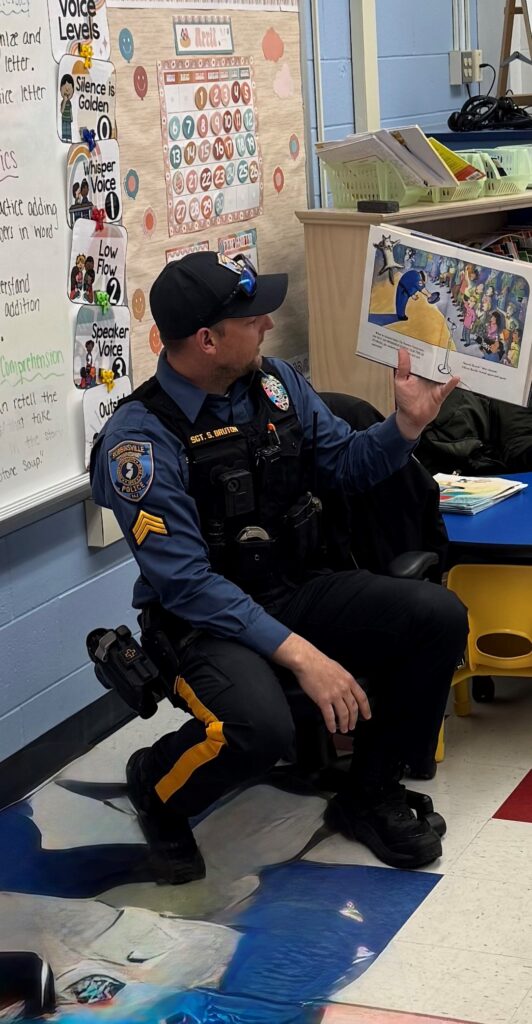 The Upper Saddle River Police Department and Chief Patrick Rotella, in collaboration with the Upper Saddle River School District and former special education teacher Julie Fallon, have implemented a program where each officer is scheduled to spend a day with a special needs class engaging in daily student activities.
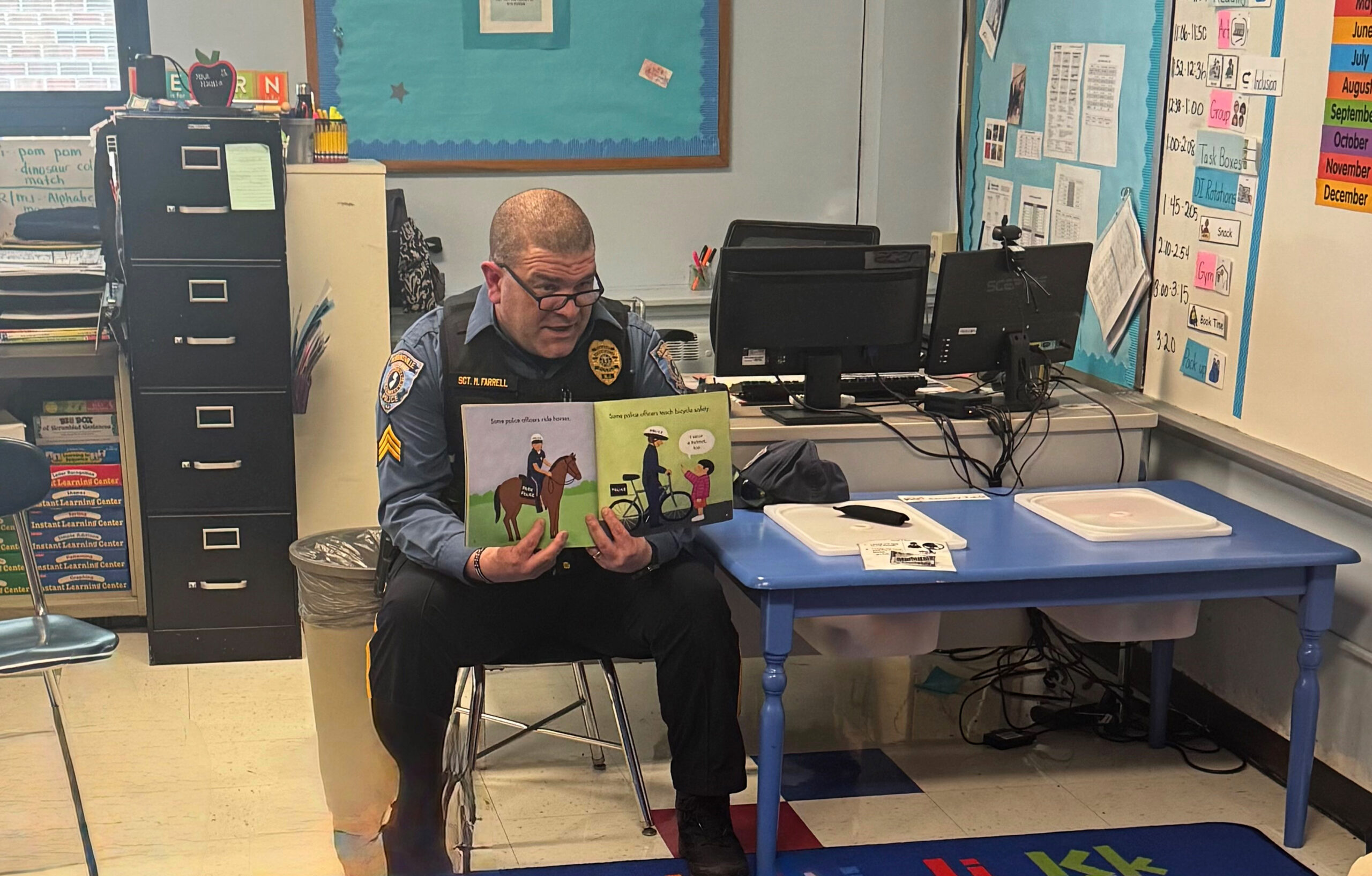
The Robbinsville Township Police Department and Police Lt. Thomas Egan in collaboration with Robbinsville Township School District and ASD classroom teacher Jill Henig have implemented a program where officers spend time in various classrooms – within the first four months of its program launch in February 2025, officers visited 39 different classrooms!
By including officers in special education classrooms, these programs foster mutual familiarity and help reduce the potential anxiety that children may feel toward law enforcement officers (including their uniforms and equipment). These reduced-stress interactions allow members of law enforcement to observe the classroom setting and help to establish officers as trusted allies and mentors, making it more likely that students will feel secure during any potential future emergencies. Ultimately, these early engagements lay the groundwork for improved communication and greater trust, helping to ensure that emergency responses are handled with a deeper understanding of the individual’s needs. Regardless of the specific municipality, departments and school districts who make these collaborative efforts underscore a philosophy of proactive community programs that prioritizes the needs and values of all residents.
Why School-Police Partnerships Are Essential for Autistic Individuals
One of the most vital aspects of these programs is the creation of a “safe and familiar face” for students who might otherwise find the presence of law enforcement to be overwhelming or intimidating.
A successful school-police partnership does the following:
- Builds Familiarity and Trust in a “Relaxed Setting” – giving officers an opportunity to engage in simple, familiar activities like reading books, joining daily activities, or simply introducing themselves and spending time with the students.
- Humanizes the Uniform – transforming the perception of the uniform from a source of stress to one of safety by associating officers as being safe and familiar faces long before a crisis occurs.
- Lessens Potential Overstimulation – helping students become familiar with the visual elements of law enforcement, such as uniforms and equipment which may lessen the potential for overstimulation during an actual emergency.
- Lays the Groundwork for the Future – supporting long term gains in improved communication and greater trust via informal engagements.
Benefits for Law Enforcement
These initiatives don’t just provide comfort to students – they provide valuable education opportunities to officers. These low-stress, routine interactions provide officers with a unique opportunity to learn from the true experts, special education teachers. Through direct observation, officers gain insight into:
- Common behavioral characteristics of students with ASD and other developmental disabilities.
Effective strategies used to preempt and/or deescalate challenging behavior including the use of reduced verbal input, maintaining neutral body language and a calm tone, and providing “wait time” for a child to process information. - A range of communication methods that are used by some student with autism ranging from low-tech communication tools such as PECS to high-tech communication tools such as iPads with specialized software.
- The needs of specific children in their community who have ASD – this localized knowledge better prepares first responders to support those specific students and their families when they may need help the most.
Benefits for Educators
For educators, these partnerships provide practical support for classroom routines and student safety. Having officers spend time in special education classrooms allows teachers to share important information ahead of time, rather than during a crisis. Educators benefit from:
- The opportunity to explain how students communicate and respond to stress, helping officers better distinguish typical behavior from true safety concerns.
- Greater confidence during emergencies knowing officers have already seen students in a calm, familiar setting and are less likely to misinterpret behavior.
- Support in reinforcing safety concepts with students, as officers become familiar adults rather than unfamiliar authority figures.
- Reduced stress during emergencies, knowing responding officers have background knowledge of students and classroom routines.
Benefits for Caregivers
These programs also impact caregivers by giving them with increased peace of mind that individuals in law enforcement are better prepared to support their children during encounters.
- Officers who have a better understanding of communication and behavioral needs are better equipped to interact with autistic individuals during interactions, whether routine or emergency.
- Members of the community, including the families and caregivers of special needs students, feel seen and included by their local police department.
- Caregivers can increase their understanding of autism-friendly practices implemented by their local police departments such as special needs registry, Blue Envelope, autism ID cards, decals and seatbelt covers.
How to Start or Enhance School-Police Partnerships in Your Community
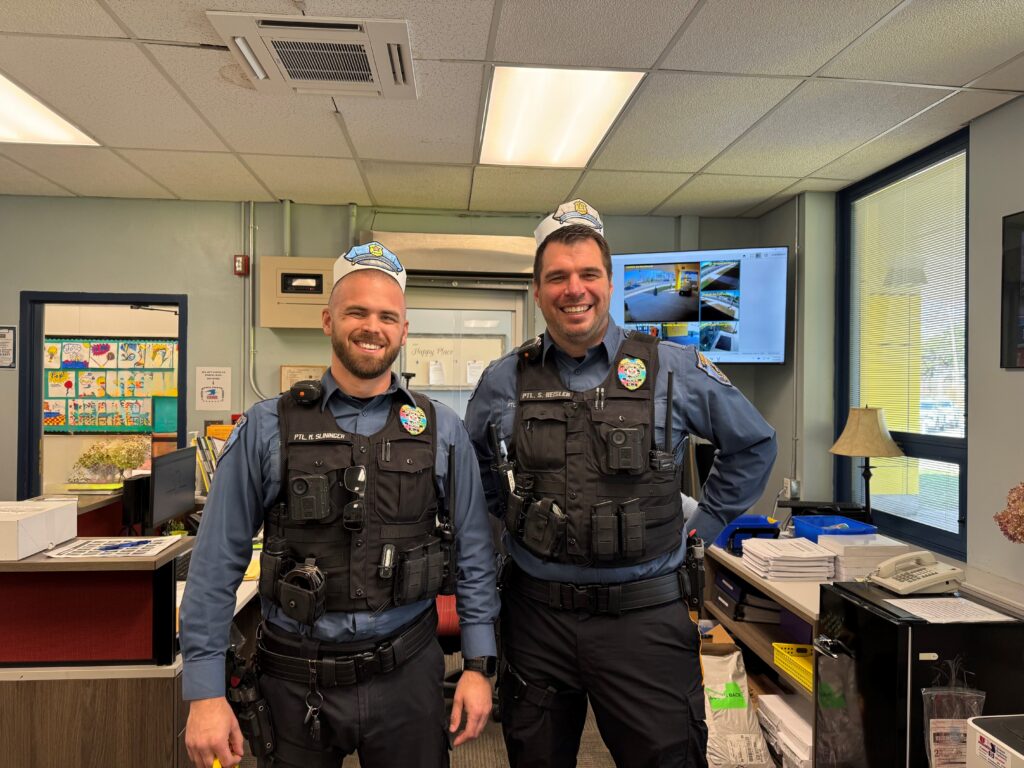 To start a similar collaborative program, other districts should prioritize building a strong partnership between the local police department and the school district.
- Identify Key Law Enforcement and School District Stakeholders: Identify a small group of law enforcement and school staff (such as a community policing lead, school administrator, and special education teacher) who can serve as consistent points of contact and support planning, scheduling, and communication.
- Get Connected: Once key staff are identified, connect with one another to get a program up and running. We have several customizable connection letters for both community members and individuals in law enforcement to help get you started!
- Establish Classroom Involvement: Districts should schedule regular visits where officers enter special needs classrooms and self-contained programs. These visits should focus on reduced-stress, informal interactions (e.g., reading books, participating in daily classroom activities, or simply introducing themselves) to help students view officers as positive role models and allow officers to learn through direct observation.
- Maintain Consistency: Sustained frequency of interaction helps lay the groundwork for improved communication and greater trust over time.
- Inform Caregivers: Districts should clearly communicate with caregivers about the purpose of the program, how officers will interact with students, and how these efforts support safer, more informed responses during future law enforcement encounters.
Districts looking to start these initiatives may also need to address practical administrative considerations, including obtaining parental consent, aligning school policies with department protocols, and coordinating classroom visits around police shift rotations and school schedules. While these logistics require planning and flexibility, they are manageable barriers rather than obstacles.
With clear communication and shared commitment, districts can build sustainable partnerships that strengthen trust, improve safety, and create more supportive environments for autistic and special needs students – well before an emergency ever occurs.
Partnerships in Action
Role Models in the Classroom
“For as long as I can remember, we have been fortunate to have an incredible partnership with the Robbinsville Police Department. During the school year, officers have graciously joined our Autism Spectrum classroom and self-contained programs to read and interact with our students.
These low-stress interactions help our students see police officers as positive role models in our community and it also helps build trust with our students as the Safety lessons are presented. Not only does this greatly impact our students, but these interactions also increase understanding of autistic behaviors and better prepare officers to support our students when needed. “
Connecting with Students
“Our program will help to expand on the training that officers have received on how to best handle calls involving people with developmental disabilities. By being present in the classroom with children on the autism spectrum officers are able to interact with them and their caregivers.
This in turn helps Officers become familiar with children in our community that have autism spectrum disorder, it will assist first responders in knowing how to properly communicate with people on the autism spectrum and reduce fear that some children with autism may have of police officers.”
Building Trust in Schools
“The Robbinsville Police Department is committed to fostering positive and supportive relationships with all members of our community, including community members navigating the spectrum of autism.
This year, we proudly partnered with the Robbinsville School District to launch a new initiative aimed at building familiarity and trust between our officers and students in special needs classrooms. Between February and June, our officers visited a total of 39 classrooms, where they engaged with students by reading books, participating in the daily classroom activity, or by simply introducing themselves and spending time with the students.
This initiative was designed to ensure that our officers become safe and familiar faces to students who may otherwise find the presence of law enforcement overwhelming or intimidating. By connecting in a relaxed, everyday setting, we aim to create a comfortable environment, where meaningful, positive interactions can take place.
We believe these early, informal engagements lay the groundwork for stronger relationships, improved communication, and greater trust. Our goal is to ensure that every member of our community feels safe, supported, and understood, especially during times when they may need us most.
We look forward to continuing this meaningful partnership with the Robbinsville School District and remain committed to proactive community policing that reflects the values and needs of all those we proudly serve.”
Win-Win School Partnerships
“Any time we can invite law enforcement into the school to interact with children, it’s win-win. In the case of our Archways program, it’s an outstanding opportunity for police to learn about how to work with children who have special needs and a chance for those children to develop relationships with our police officers to see how caring they are.”
Have questions about how to start or enhance school-police partnerships in your community? Reach out to LE@autismnj.org.