








Autism New Jersey’s Public Policy Partners are schools and provider organizations that support our statewide work, and in this article, we get to hear from one of our partners, Graham Behavior Services.
Many families find strong, structured support during early intervention. Then, as their child grows, that structure can start to feel less certain. School transitions bring new questions. Turning 18 raises even more. The shift into adulthood often feels like a complete restart with a new and different system.
The truth is, support does not have to end where one life stage ends. When care can grow with a person and their family, from early childhood to adulthood, families spend less time looking for what’s next. Instead, they can spend their time moving forward together.
The Early Years: Building the Foundation
 Early intervention often focuses on consistent, one-on-one support that builds essential communication, behavior, and social skills. This is usually the stage where families are learning the most, not only about their child’s needs but also about what quality care actually looks like.
The most effective early programs do more than teach a child; they teach a family. A caregiver might learn to use the same communication strategies at dinner that a child practices in therapy, or a parent might use the same visual schedule at home that helps their child transition between activities during a session. When caregivers are part of the process from day one, skills are more likely to carry over into daily routines, not stay confined to a therapy room. This early partnership between family and provider sets an important tone for everything that follows.
The Bridge Years: School-Age Support
 School-age years bring a new layer of complexity, and this is often where families start to feel a gap. Managing IEP meetings, social demands, and home-school coordination can feel overwhelming, especially while also trying to balance everyday life. Care teams that follow best practices stay connected across settings, working together instead of in silos. This can look like a provider helping a parent prepare for an upcoming IEP meeting. It can also mean a social skills group that reinforces the same goals a child is working on at school. It might even be as simple as a therapy team keeping in regular contact with a child’s teachers. The goal is to create a plan that stays consistent whether a child is in the classroom, at home, or in the community. Families don’t have to be the only ones holding all the pieces together.
This is also the stage where many families believe their need for ABA has come to an end. Once early goals are met, therapy often stops, and families assume that chapter is closed for good. But adolescence brings its own set of changes. Puberty can bring new behavioral and emotional challenges, even for kids who previously showed strong progress. When these challenges arise, insurance-funded ABA therapy and school-based services can be used again, not just during early childhood. Thinking of ABA as a support that can be used again when it’s needed, rather than a one-time program, opens the door for teens who could benefit from care but may not have considered it an option. This is especially valuable given how few providers serve this age group directly.
The Transition Years: Ages 18 to 21

This stretch of time deserves attention because it is often overlooked. Some students remain in school through age 21, while others graduate earlier. DDD-funded adult services in New Jersey do not begin until age 21. That gap can leave young adults and their families without a clear next step at exactly the moment when continued support matters most.
The good news is that this window does not have to result in a gap in care. Ongoing ABA therapy and community-based support can help young adults keep building on skills they’ve already developed, like communication, daily living skills, and social connection. This support also helps them get ready for what comes next. Families do not need to put support on pause while they wait for DDD eligibility.
Adulthood: Independence with Support
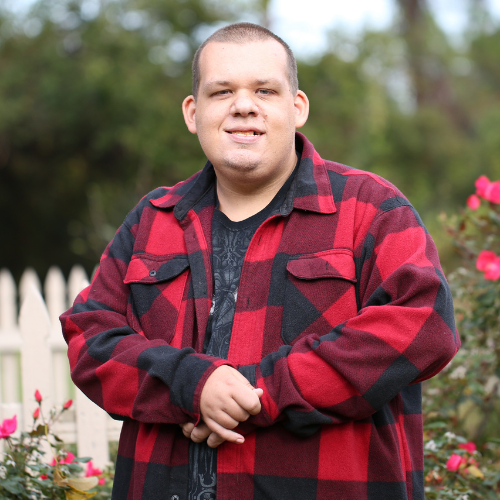 Once DDD supports become available, care can shift again. The focus turns toward independence, community integration, and life skills that support long-term well-being. Adult ABA programming centers on what matters most to adults: holding a job, building relationships, managing a household, and taking part in their community in ways that feel meaningful to them.
It’s worth noting that DDD is not the only path forward. Many families still have insurance coverage for their young adult children and, depending on the family’s situation, school services, insurance-funded ABA, and DDD supports can all work together or stand on their own. Families have more options at this stage than they may realize.
The Whole Family: Wraparound Support
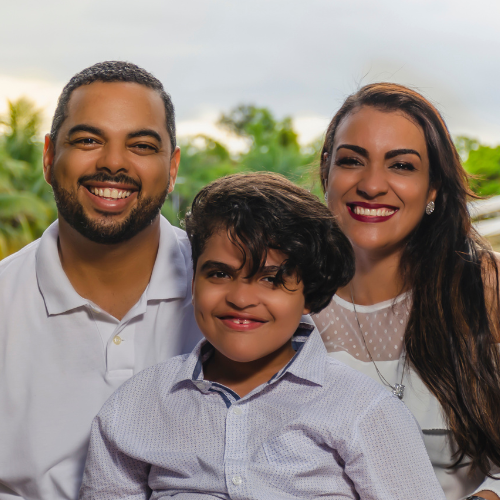 Care involves more than one person, so support shouldn’t stop with the individual. Some of the most meaningful progress happens through wraparound services that support the whole family:
Sleep coaching can address a challenge that affects the entire household. Better sleep often means a calmer home for everyone in it.
Health and wellness coaching for caregivers recognizes a simple truth: sustainable caregiving requires caregivers who are supported, too. Burnout is real, and families deserve resources that help them care for themselves along the way.
Sibling support groups provide brothers and sisters a place to share their feelings and experiences. Siblings often carry their own emotions and questions, and they deserve a space where those feelings can be heard and understood.
When these options are part of the picture, the whole family can thrive.
What to Look For: Five Questions to Ask Any Provider
Whether a family is early in this journey or navigating a transition, these five considerations can help guide the search for quality, consistent care:
- Clear communication about availability. Even if services can’t start immediately, does the provider give a clear, honest timeline and keep families updated along the way?
- Consistent, in-person oversight. Does a qualified BCBA regularly see the client in person, rather than managing the treatment plan from a distance? Click here to learn more about what to look for in a Behavior Analyst.
- Caregiver training and communication. Is family involvement built into the program, with regular updates and collaborative goal-setting?
- Qualified, well-trained staff. Are the people delivering direct care properly trained and supported with ongoing education?
- Organizational stability. Does the provider have the structure in place, such as multiple BCBAs and a plan for covering sessions during staff turnover or absences, to ensure continuity of care?
A provider who welcomes these questions and answers them honestly is one who is invested in a real partnership with your family.
 About Graham Behavior Services
Graham Behavior Services (GBS) has been a trusted partner for New Jersey families since 2013, when founder Cara Graham, M.A., BCBA, set out to build the kind of individualized, consistent care she believes every family deserves. Today, GBS supports children, teens, and adults with autism and behavior challenges through in-home ABA therapy across New Jersey, along with speech and feeding therapy, sleep coaching, social skills groups, sibling support groups, and more, all grounded in evidence-based practice and real partnership with families.
GBS recently expanded its clinic-based services to a second location in Forked River, joining its West Long Branch clinic to reach even more families across Ocean and Monmouth counties. Whether a family is beginning this journey or navigating a transition, GBS aims to be a team they can count on at every stage.