









In addition to the “reading, writing and ‘arithmetic” academic instruction that schools are responsible for, additional skills can be learned through extracurricular activities. Schools must ensure that students with special needs can participate in these offerings with typical peers to the maximum extent appropriate to their unique needs.
What are Extracurricular Activities?
 According to the federal special education law, Individuals with Disabilities Education Act (IDEA), these may include athletics, recreational activities, and special interest groups or clubs (34 C.F.R. 300.107(b)). Student government, band, chorus, drama, sports, and clubs are opportunities outside of academic instruction so are termed extracurricular. Students may need accommodations to participate, and these must be written into their IEPs.
Benefits
There are invaluable benefits to participating in extracurricular activities. They provide opportunities for students to:
- focus on strengths and interests
- develop skills
- build self-esteem
- socialize
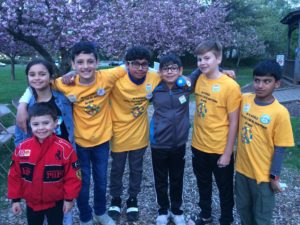
 Another benefit is the opportunity for individuals with and without special needs to come together over a mutual interest. Students enrolled in special education may be viewed by some peers as different; extracurricular activities provide opportunities to get to know each other better through working on a shared interest or united goal. Consider an individual with autism who might be able to share his/her love of music by participating in band or share skills with video games in a technology club. Extracurricular activities can provide students who struggle academically with opportunities to shine. They also give typically developing peers more opportunities to develop compassion, patience, and acceptance.
In the IEP
Any school-sponsored extracurricular activities which require accommodations should be listed in the Individual Education Program (IEP). These activities are not limited to activities that “educate the child.” If there is any extent to which a student will not be permitted to participate in extracurricular activities, that must be specified. IDEA stipulates that children should receive a free appropriate public education in the least restrictive environment and be given opportunities to participate in extracurricular activities with their non-disabled peers. The law states, “Each public agency must take steps, including the provision of supplementary aids and services determined appropriate and necessary by the child’s IEP Team, to provide nonacademic and extracurricular services and activities in the manner necessary to afford children with disabilities an equal opportunity for participation in those services and activities” (34 C.F.R. 300.107(a)).
Section 504 of the Rehabilitation Act of 1973 also requires that students with disabilities must be provided an equal opportunity to participate in extracurricular activities. This does not mean that they must be selected for an athletic team or performing arts group, for example. But students with special needs must be provided accommodations if they are necessary for them to try out or, if they make the team, to participate. For example, a school could be required to provide a student with autism a one-to-one aide to facilitate meaningful participation in a club. However, the school is not required to provide accommodations that result in a fundamental alteration in the nature of the program or activity.
For additional information about including extracurricular activities into your child’s IEP or in identifying after school programs, contact Autism New Jersey’s Helpline 800.4.AUTISM. Our online referral database can connect you to programs in your area.