







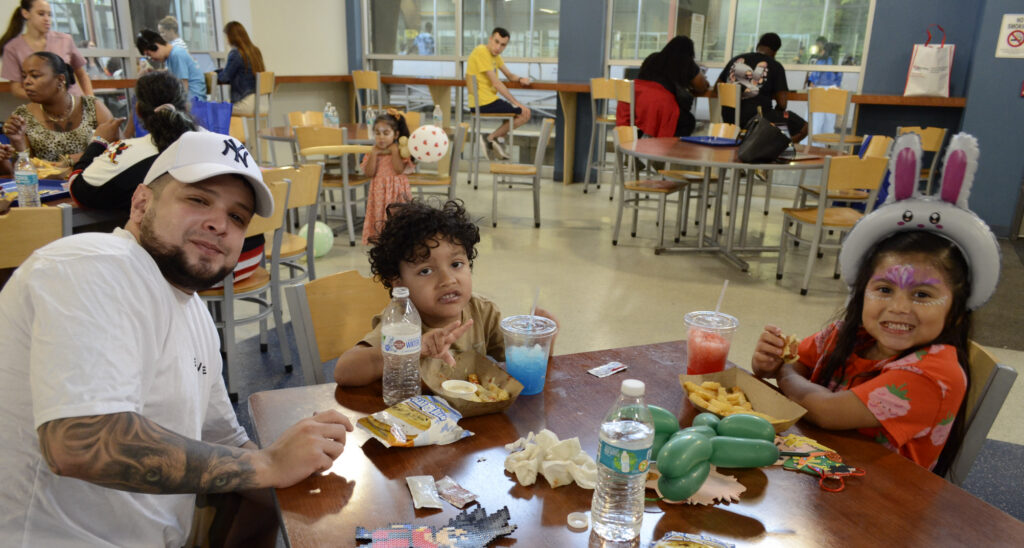
A community inclusion event is an organized activity that enables individuals with disabilities to participate fully. These events foster awareness and acceptance while giving individuals with disabilities confidence and a sense of belonging. Autism New Jersey is proud to support these events as part of our commitment to building more autism-friendly communities across the state. We hope this guide assists community members in planning events where individuals with autism and other disabilities feel welcomed and supported.
Here are 10 steps to help plan your next community inclusion event:
1 | Community Input Meeting
Gather insight directly from the community to ensure the event reflects their needs and priorities.
- Hold a meeting (in-person or virtual) with families, self-advocates, service providers, and other stakeholders.
Ask guiding questions:
- Do families prefer an experience-based event or a carnival-style celebration?
- What information and resources are most valuable to them?
- What barriers do they face (transportation, scheduling, sensory needs, accessibility)?
- What accommodations would improve participation (quiet areas, reduced crowds, sensory-friendly entertainment, time of year, time of day, day of the week)?
- Document all feedback and use it as the foundation for event planning.
2 | Venue and Space Planning

Purpose: Secure an inclusive, accessible, and well-suited location.
- Choose a venue within reasonable travel distance for the target population.
Ensure the space allows for:
- an activity area (games, entertainment, family fun)
- a resource vendor area (tables for state/local providers, organizations)
- a quiet/sensory space (calming activities, low-stimulation area, staffed if possible)
- a dining/refreshments area
- accessibility (ADA-compliant, parking, restrooms, clear signage)
- a rain date or alternate plan if the event is outdoors
3 | Sensory Accommodations

Purpose: Create an environment where youth with intellectual and developmental disabilities (IDD) feel comfortable and supported.
- Offer a quiet area or early entry before crowds build.
- Provide sensory stations with calming activities (fidget toys, coloring, soft lighting).
- Play volume-appropriate music.
- Add engaging waiting-line activities.
- Offer sensory maps/guides and create social narratives for distribution.
4 | Vendors and Service Providers

Purpose: Bring together quality, IDD-friendly resources and activities.
IDD-Friendly Vendors:
- Select vendors experienced or comfortable working with individuals with IDD.
- Consider hiring self-advocate vendors for the services needed at the event.
- Ensure vendors are budget-friendly and clearly briefed on expectations.
Resource Providers:
- Include both local and state-level service providers.
- Contact them at least two months prior to maximize attendance.
- Follow up with unresponsive vendors weekly/bi-weekly, via phone if necessary.
Vendor Coordination:
- Send a “Vendor Details” email with event details (date, time, parking, set-up/breakdown info, accommodations, what’s provided, etc.).
- Confirm staffing numbers for accurate meals and seating counts.
5 | Activities and Entertainment
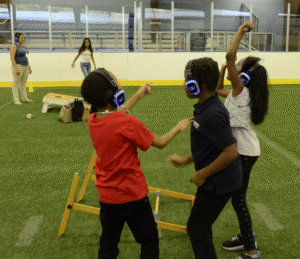
Purpose: Provide accessible, enjoyable, and developmentally appropriate options.
- Plan activities that are flexible, engaging, and tailored to varying developmental levels.
- Offer multiple levels of participation (simple to more advanced).
- Ensure clear instructions and freedom of choice.
- Prioritize fun activities that foster inclusion and engagement at each family’s own pace.
6 | Marketing and Outreach

Purpose: Effectively reach families, providers, and community members.
Flyer Design:
- Include clear event details (date, time, location, accessibility info, how to register).
Distribution Strategy:
- Share flyers weekly on social media starting one month before the event.
- Distribute to organizational stakeholders, local/state service providers, school districts, boards of education, individual schools, and libraries.
- Encourage providers and partners to share flyers with their networks.
Use multiple communication channels:
- Email and e-newsletters
- Social media posts
- Community bulletin boards
- Online media outlets, etc.
7 | Creating and Managing Registration
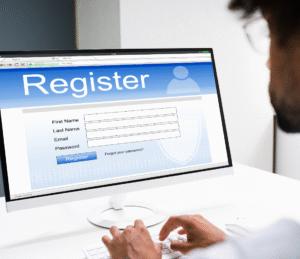
Purpose: To ensure a smooth event experience for both families and organizers, creating a simple online registration process is essential.
Platform:
- Use any email marketing and digital marketing platform (such as Constant Contact) to design a registration form that links directly to the event flyer and website landing page.
- Include a QR code on all flyers and digital materials so families can easily access the form, and organizers can track registration and attendance.
Recommended Registration Fields:
- Full name of primary contact
- Total number of adults attending
- Total number of children/youths attending
- Age range of youth (optional but helpful for planning activities)
- County and town of residence
- Email address (for confirmations and updates)
- Phone number (optional)
- Any accessibility or sensory accommodations needed
- How the family heard about the event (for marketing evaluation)
Tips for Accessibility and Tracking:
- Ensure the form is mobile-friendly and screen-reader accessible.
- Enable automatic confirmation emails and reminder messages.
- Use built-in analytics in your email marketing and digital marketing platform of choice to monitor sign-ups by location or source (QR code, link, email).
- Allow families to update or cancel their registration to keep counts accurate.
8 | Budgeting

Purpose: Ensure financial feasibility and sustainability of the event.
Build a budget that covers:
- venue rental and permits
- vendors and entertainment
- sensory and accessibility accommodations
- marketing materials (flyers, printing, giveaways, promotion, etc.)
- meals/snacks for vendors and participants (if included)
- contingency for unexpected expenses
Seek sponsorships, donations, or grants where possible to offset costs.
9 | Event Day Execution
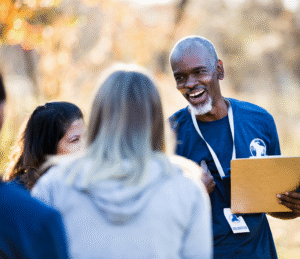
Purpose: Ensure smooth implementation and a positive experience for all participants.
Have staff/volunteers assigned to key areas:
- check-in table
- vendor navigation
- sensory support
- activity oversight
- organization information table
Create an easy-to-navigate space with an opportunity for feedback:
- Clearly mark spaces (activity area, sensory/quiet space, resource area, restrooms).
- Provide sensory maps/guides upon entry and create social narratives.
- Maintain open communication with vendors and staff throughout the day.
- Provide vendors with water, either on their tables or in a designated area.
- Gather feedback from attendees and vendors to improve future events.
10 | Post-Event Follow-Up

Purpose: Strengthen community trust and improve future events.
- Send thank you notes to vendors, volunteers, and participants.
- Share highlights on social media with photos and quotes (with permission).
- Conduct a feedback survey with families and providers.
- Review budget and attendance data to inform planning for the next event.